


Ordering Heat Transfer Labels: 7 Things to Prepare
Prepare artwork, dimensions, colors, fabric, label effects, quantities and test requirements before requesting custom heat transfer label samples.
Complete project information helps a label manufacturer assess the design, select a suitable construction and prepare a useful quotation. Missing dimensions, unclear colors or an unidentified fabric can create extra rounds of questions before sampling begins.
Before requesting custom heat transfer labels, buyers and merchandisers should prepare the following seven groups of information.
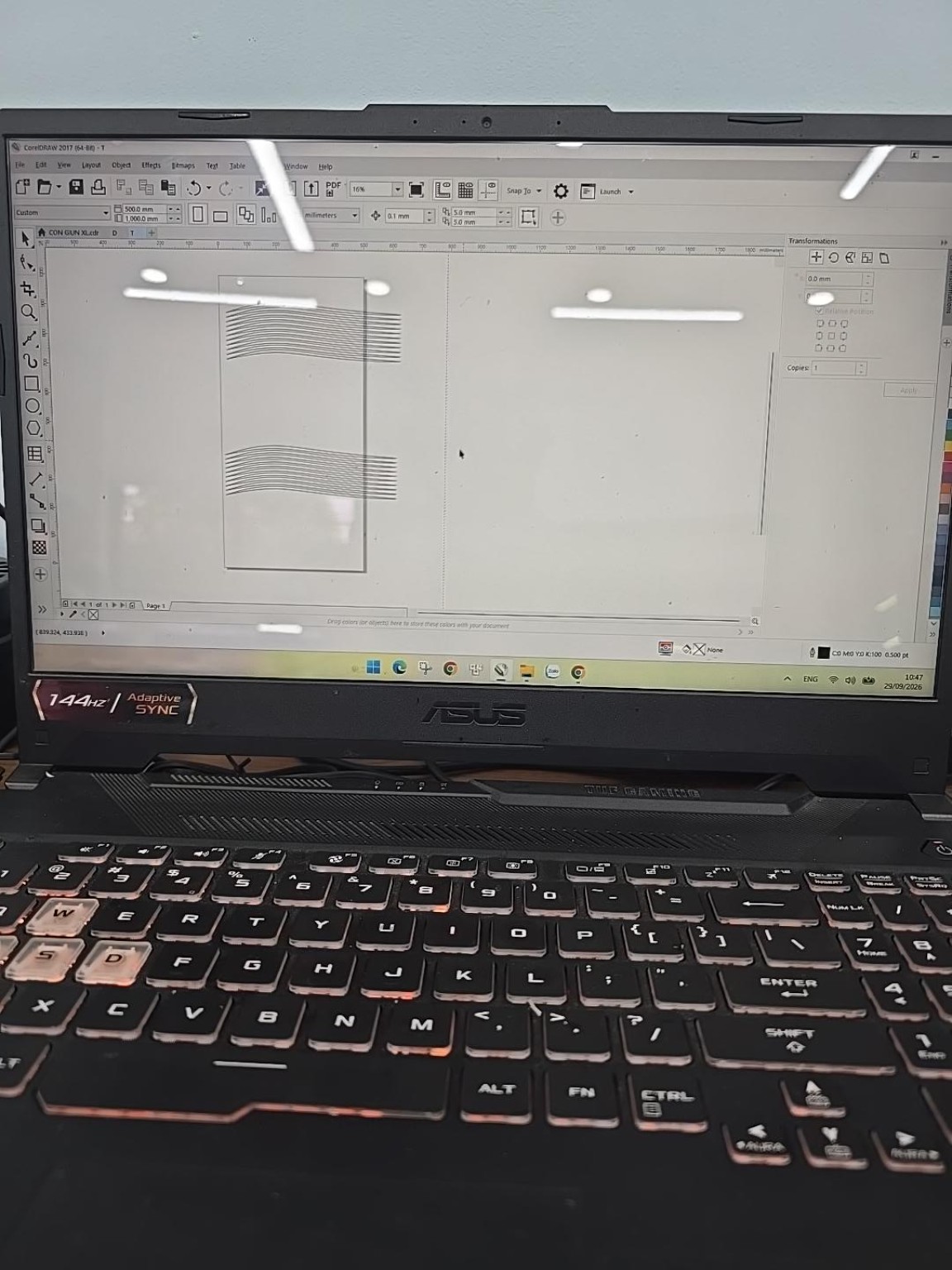
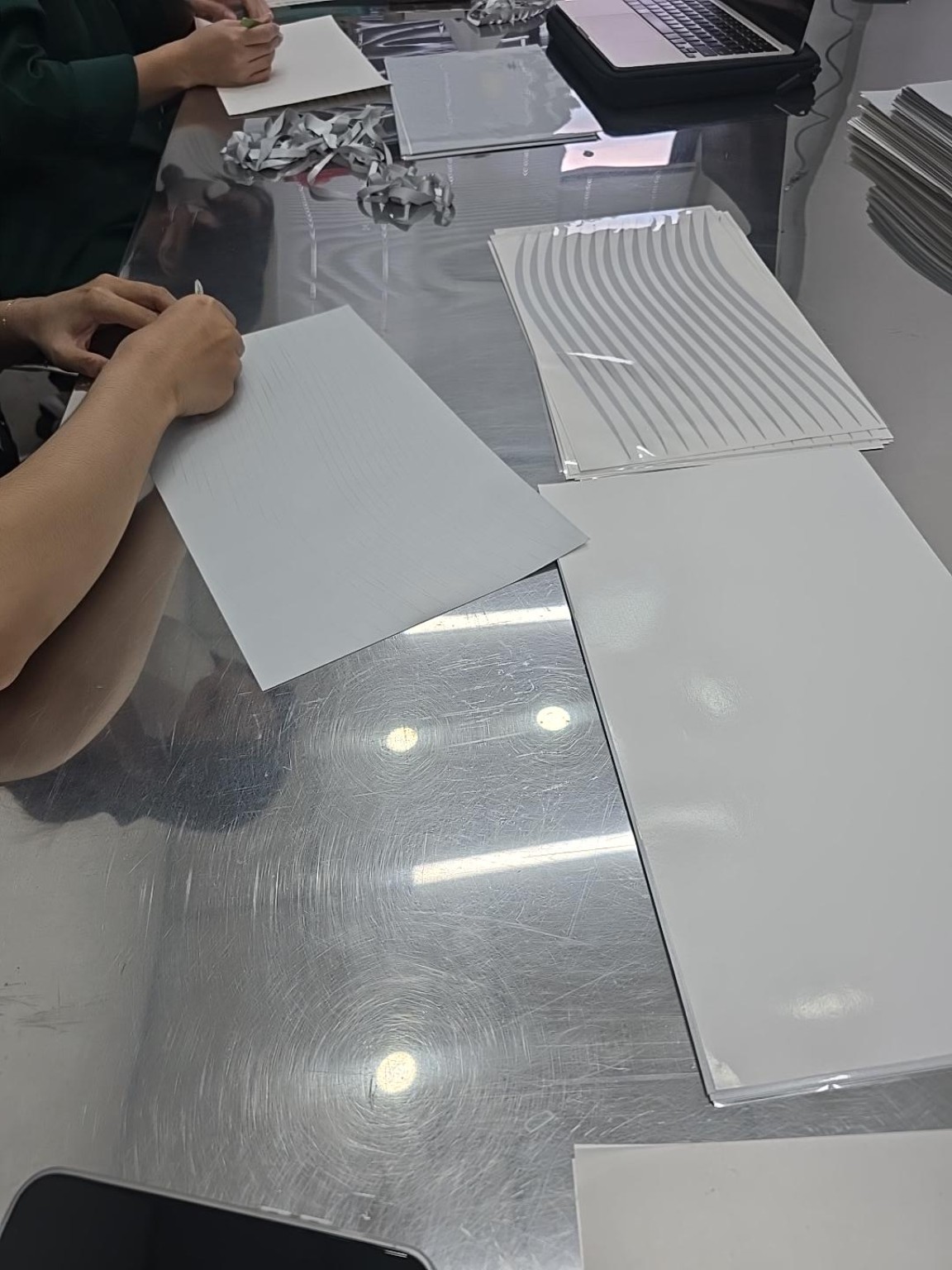
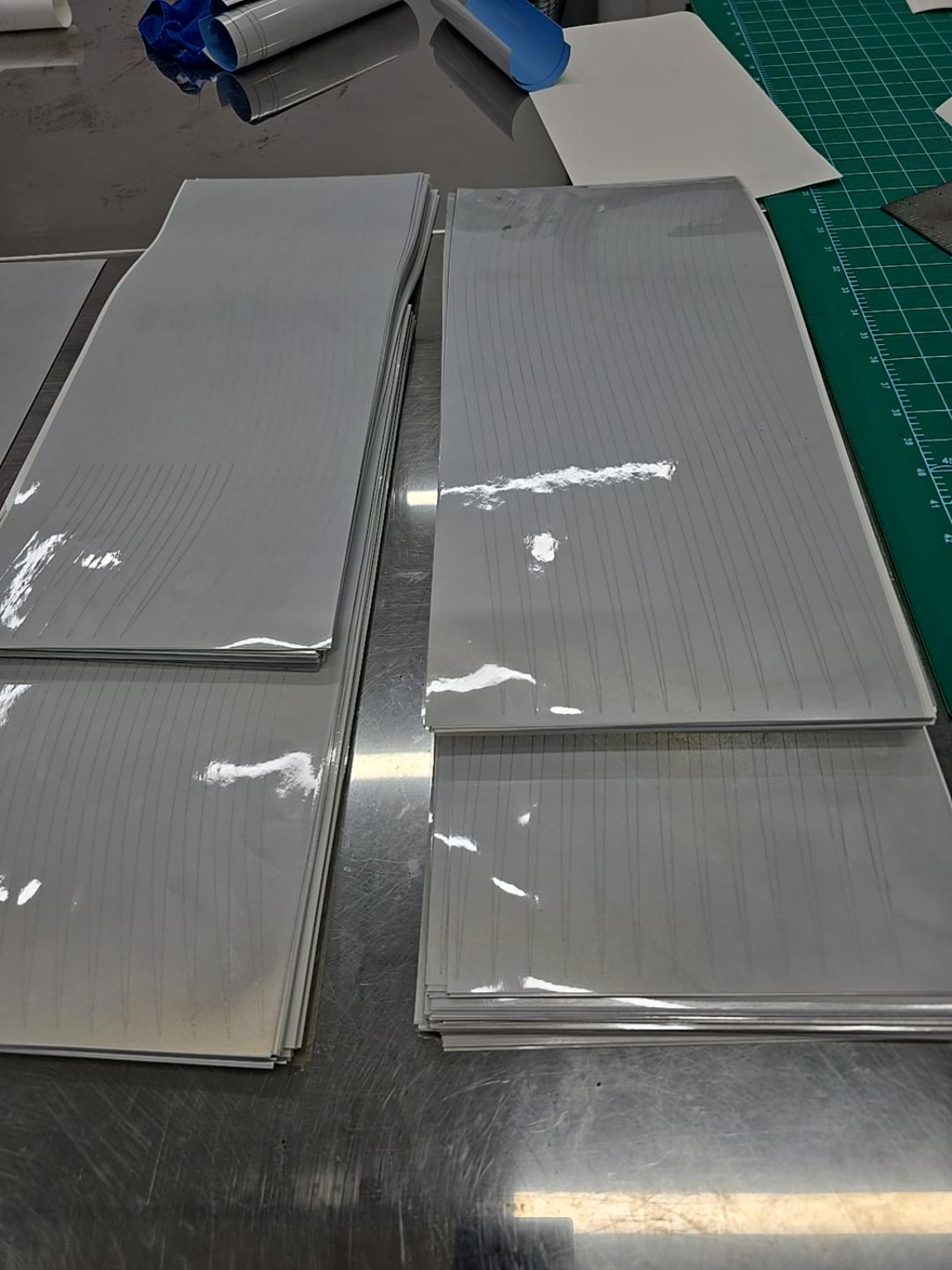
1. Artwork or an original physical sample
A vector file provides a clear basis for reviewing outlines, proportions and details. Send an AI file, a vector PDF or an equivalent design format where available. Convert fonts to outlines to avoid missing-font problems.
If artwork is unavailable, an original physical sample can help the manufacturer examine the dimensions, surface, thickness and construction. A JPG or PNG can support an initial review, but a photograph alone may not show the exact scale. Photograph the sample straight on, in good light, alongside a ruler, and include both sides when relevant.
Mark the features that must stay unchanged and those that may be adjusted during development.
2. Finished dimensions and application position
Specify the finished width and height in millimeters. A design enlarged on a screen does not establish its physical size.
Show where the label will be applied: the chest, collar, sleeve, footwear upper, bag or another position. Mention curved surfaces, restricted pressing areas and any location that is frequently stretched. These details can affect the construction and application method.
3. Colors and surface effects
Screen colors may differ from the finished product. Provide the complete Pantone reference and its color system, such as Pantone C or Pantone TCX, according to the brand's artwork specification.
For metallic, reflective, transparent or other special finishes, a flat color reference may not fully describe the intended result. Include a physical color standard or reference sample when appearance is critical. State whether the surface should be glossy, matte, raised or another finish.
4. The actual production fabric
Fiber composition, stretch, thickness, fabric color and surface treatments can affect adhesion and the pressing conditions. Send the fabric intended for bulk production rather than an unrelated substitute.
Include known coatings or treatments, the label position and the expected stretch. Results on a different fabric should not be treated as confirmation for the production material.
5. Label construction and the intended effect
Start with the result you want to achieve. Depending on the design and application, options may include screen-printed transfers, PU or TPU constructions, 3D Silicone Labels, reflective labels, flock finishes or suitable laser-cut details.
Describe the desired raised profile, softness, surface feel and visual effect. Two projects using the same material name can still require different constructions.
6. Quantities, colorways and forecast
Separate the quantities by design, size and colorway. Sampling quantity, the first production order and a possible repeat-order forecast are different pieces of information.
Quantity affects tooling, printing setup, material planning and unit cost. If the order is not confirmed, provide a realistic range and identify it as an estimate so the quotation does not rely on an assumed order size.
7. Test requirements and target dates
Share the required wash, adhesion, stretch, abrasion or other tests, together with their methods and acceptance criteria. Include any brand-specific material or documentation requirements.
Give actual target dates for sample delivery, sample approval and bulk delivery. An urgent request still needs these milestones so development, testing and production can be assessed separately.
A request template you can send to Vu Thua
- Project name or item code
- Artwork or original sample
- Finished dimensions and application position
- Color references and surface effects
- Fabric composition, color, treatment and sample
- Preferred label type or intended result
- Sample and production quantities by variant
- Test methods, acceptance criteria and documents
- Target sample and bulk delivery dates
- Project contact details
What happens after the information is reviewed?
The project can move through artwork review, construction selection, specification and quotation confirmation, sample development, testing on the actual material and customer approval before bulk production. The sequence and timing depend on the project.
Complete information does not eliminate every sampling adjustment, but it helps keep the request, approved sample and production requirements aligned.
Frequently asked questions
Can I request a quotation with only a photograph?
A photograph can support a preliminary review. A vector file, measured dimensions or an original sample is normally needed for a more reliable assessment.
What if I do not know which material to choose?
Send the artwork, fabric, application position and desired effect. Vu Thua can review these inputs before proposing a sampling direction.
Can a small order be developed?
Feasibility depends on the design, construction and process. Quantity requirements and timing should be confirmed for the specific project.
Request a custom label sample
Send your artwork, material sample and project information to Vu Thua. Contact Mr. Phuc at 0786 018 640 or phuc@miencorp.com.tw.
Share:


